|
| Bumblebee |
It was very windy at Strumpshaw this morning. The trees of the reserve roared as the strong gusts battered them to their limit. Thankfully, it was also sunny, making the wind feel more refreshing against my body. In more sheltered areas, it was actually rather warm, though most of the insects didn't emerge until around lunchtime, including swallowtails, which were seen by some visitors at the other end of the reserve.
 |
| White-tailed Bumblebee |
 |
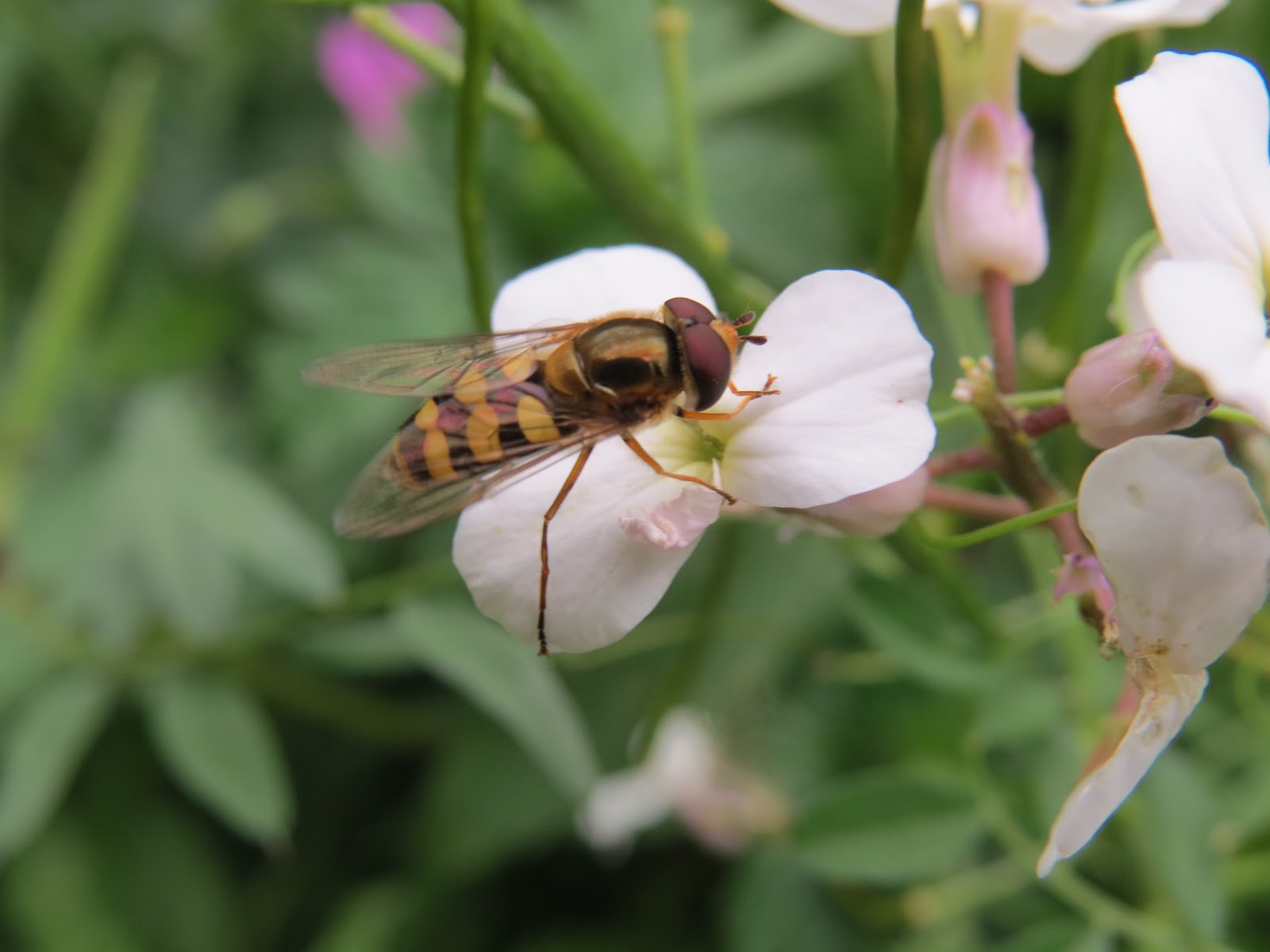
| Hoverfly |
 |
| Scorpionfly |
 |
| Small Tortoiseshell |
 |
| Norfolk Hawker |
 |
| Vapourer Moth caterpillar |
 |
| Black Slug |
 |
| Black Slug |
 |
| Bee Orchid |
Due to the windy conditions, it wasn't the greatest of days to watch wildlife in, but it was a good day if you wanted to see orchids. Since last week, I have been anticipating in seeing if the mystery orchid had bloomed. It had. However, it wasn't a greater butterfly orchid that I was hoping. It turned out to be a bee orchid, a very odd looking one. The expert from last week was wrong! Never mind, at least it was the first ever one I have seen in that particular location. In fact, the bee orchids are showing up in different places this year compared to previous years. If you want to see them, there are four in bloom in the area before you get to the Reception Hide, including one under the bench next to the nectar garden.
 |
| The butterfly that turned into a bee |
 |
| Common Spotted Orchid |
The bee orchids were not the only orchid species that I've seen today. The common twayblades, of course, are still around but are starting to past their best, but elsewhere, other species are just coming into season. By the sand cliff area in the woods, common spotted orchids were poking their small purple flowers through the short grass. As this area was only opened up to the public for the first time this year, I had no idea these spotty-leaved plants were growing in this location until now. This spot was also sheltered from the wind, unlike the meadow trail, which was pretty blustery and quite boggy after yesterday's extremely wet weather. The southern marsh orchids here have only just started to emerge and so very few were in full bloom today, but there were plenty of other wildflowers to enjoy such as ragged robin and yellow flag irises.
 |
| The Meadow Trail |
 |
| Southern Marsh Orchid |
 |
| Yellow Flag Iris |
 |
| Ragged Robin |
 |
| Marsh Harrier |
As it was so windy, only the bravest of birds were on the wing today. Marsh harriers ruled the sky as I saw several soaring above the reserve, almost playing with the wind. They were joined by swarms of swifts and the occasional common tern attempting to hunt over the broad, which looked like a choppy sea. A heron was more sensible as it sat watching them all from a tree in the treeline at the back of the broad for much of the morning, trying hard to hunker down.
 |
| Stoat! |
While it hasn't been as eventful as last week wildlife wise, I did, however, had one memorable encounter today. During my pre-shift walk this morning, after walking through the meadow trail and hearing a cuckoo on the other side of the river, I decided to pop into the Fen Hide for a little while. As I was walking down the track leading to the hide, I saw something bound away from me. It was a stoat! Unlike most of my stoat encounters, it actually stopped further up the path to look at me. I turned on my camera, zoomed in on it, but as I pressed the button to take it's photo... the stoat ran away!! All I managed to get was this slightly blurry, backend shot of it sprinting away from me. My first ever photo of a stoat! But that wasn't the end of my encounter as while I was walking back down the Sandy Wall path to start my shift, I saw it again! Twice! This time, though, it didn't stop as long as the first encounter.