|
| Lynford Arboretum |
Today, my parents and I were at Lynford Arboretum to look for hawfinches. There has been plenty of them about here in recent weeks with reports ranging between 30-60 individuals each day. This is surprisingly typical at this time of year to get so many of these scarce birds at this location. The arboretum is a well known winter hotspot for them and many bird watchers make an annual visit just to see these large, yet stunning finches. With plenty of feeders and bare branched trees around, it becomes an easier time to locate them. Come summer and they are pretty much nowhere to be seen. But hawfinches are very shy and elusive birds, seeing one is still going to be difficult despite with everything in my favour.
 |
| Snowdrops |
While walking around the arboretum searching for a hawfinch, it is impossible to not notice the snowdrops covering parts of the woodland floor like patches of white snow. From afar, they become one white mass. It is only when you walk up close to them do you see the drooping white petals dangling from their green stalks like hanging snowflakes. You just can't help but be in awe with these wonderful early floral displays and it leaves you waiting with anticipation of the arrival of spring.
 |
| Siskin |
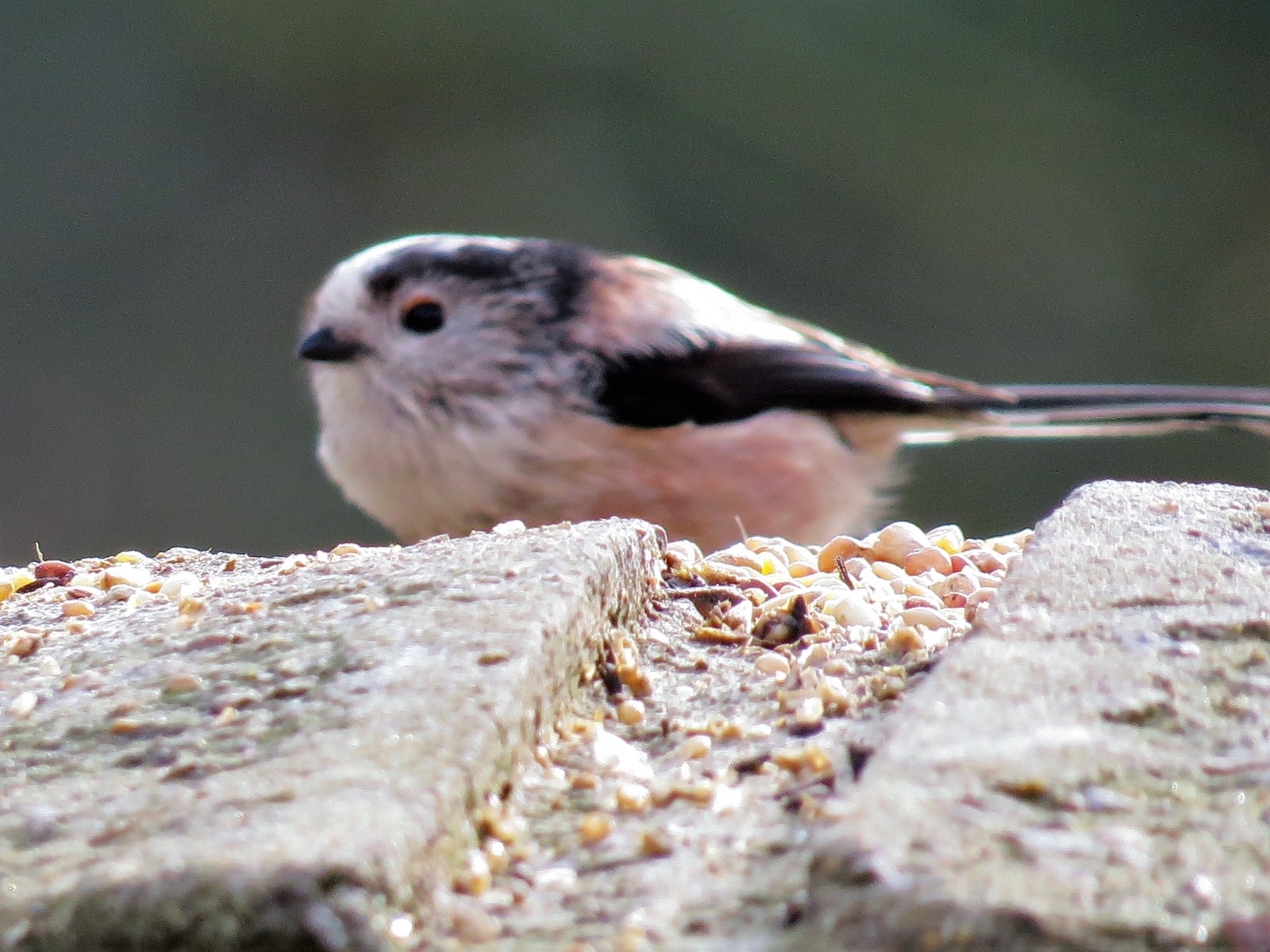
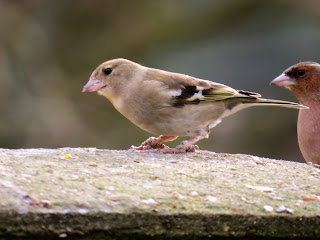
Hawfinches were not the only species of bird to encounter here. They are just the icing on the cake. While they were the main reason I was here, it is hard not to notice the sounds of large flocks of siskins chattering away with their twittering and wheezy songs and calls. They were pretty much everywhere. We joined a photographer and sat on a bridge with him, watching the birds come down to feed on the seed left out for them on the bridge's walls and in the surrounding trees. From here, the birds were quite used to people and we were able to see things like reed buntings, long-tailed tits and marsh tits up close. This included a couple of siskins feeding on the alder cones on a branch just above our heads. You could see it's bright yellow plumage and it's streaked markings very clearly. I also saw a great spotted woodpecker, a buzzard, nuthatches and heard a treecreeper.
 |
| Male Reed Bunting |
 |
| Female Reed Bunting |
 |
| Long-tailed Tit |

 |
| Robin |
 |
| Marsh Tit and Blue Tit |
 |
| Male Chaffinch |
 |
| Female Chaffinch |
 |
| Blue Tit |
 |
| Bullfinch |
Unfortunately, there was no sign of a single hawfinch during our walk. None of the usual reliable hotspots produced one for me this time. So we stopped for lunch at a bench close to one of these hotspots just in case one turned up. While eating our sandwiches, a crowd was building behind us. Perhaps my luck was in? I went to check. No hawfinch this time, but it was something just as good. It was a male bullfinch feeding in a shrub. Slightly distant to get a really sharp photo, but still good enough to appreciate that bright red breast. A real stunner of a bird.
 |
| Hawfinch |
After lunch, I decided to give it one last go in finding at least one hawfinch before leaving. I perched my elbows onto the wooden gate overlooking an area with feeders where I've seen hawfinches in the past. At first, I was alone with not much on offer other than blue and great tits, a nuthatch and a squirrel. Then a curious crowd started building around me, wondering if I could provide them the answer they were hoping for. The answer of course was no. But then, as I was following a squirrel bound to one side of the avenue of trees to burry it's meal for later, I noticed a bird move behind it. A hawfinch! As soon as I spotted it and pointed it out for everyone that was around me, everyone praised me and my eyes for spotting it. It was a bit distant and a bit hard to see, so these were the best shots I could manage before it disappeared out of view.
 |
| Grey Squirrel |