 |
| Ragged Robins at the Meadow Trail |
There was just one objective on my mind today and that is to find a swallowtail. I have yet to see one during the previous two Wednesdays due to rubbish weather conditions. Thankfully, the sun is out this morning and it is more than warm enough for swallowtails to take wing. So, before my shift, I went for a walk along the Meadow Trail to look for them. No such luck, though. However, I was more at awe with the wildflowers, especially the orchids. For the rest of the walk, I ended up searching for orchids instead. There was a rather good selection of them on offer this morning. I also followed a singing whitethroat that hopped from shrub to another along much of the River Trail and spooked a Chinese water deer as it rushed out from the reeds to cross the Sandy Wall path.
 |
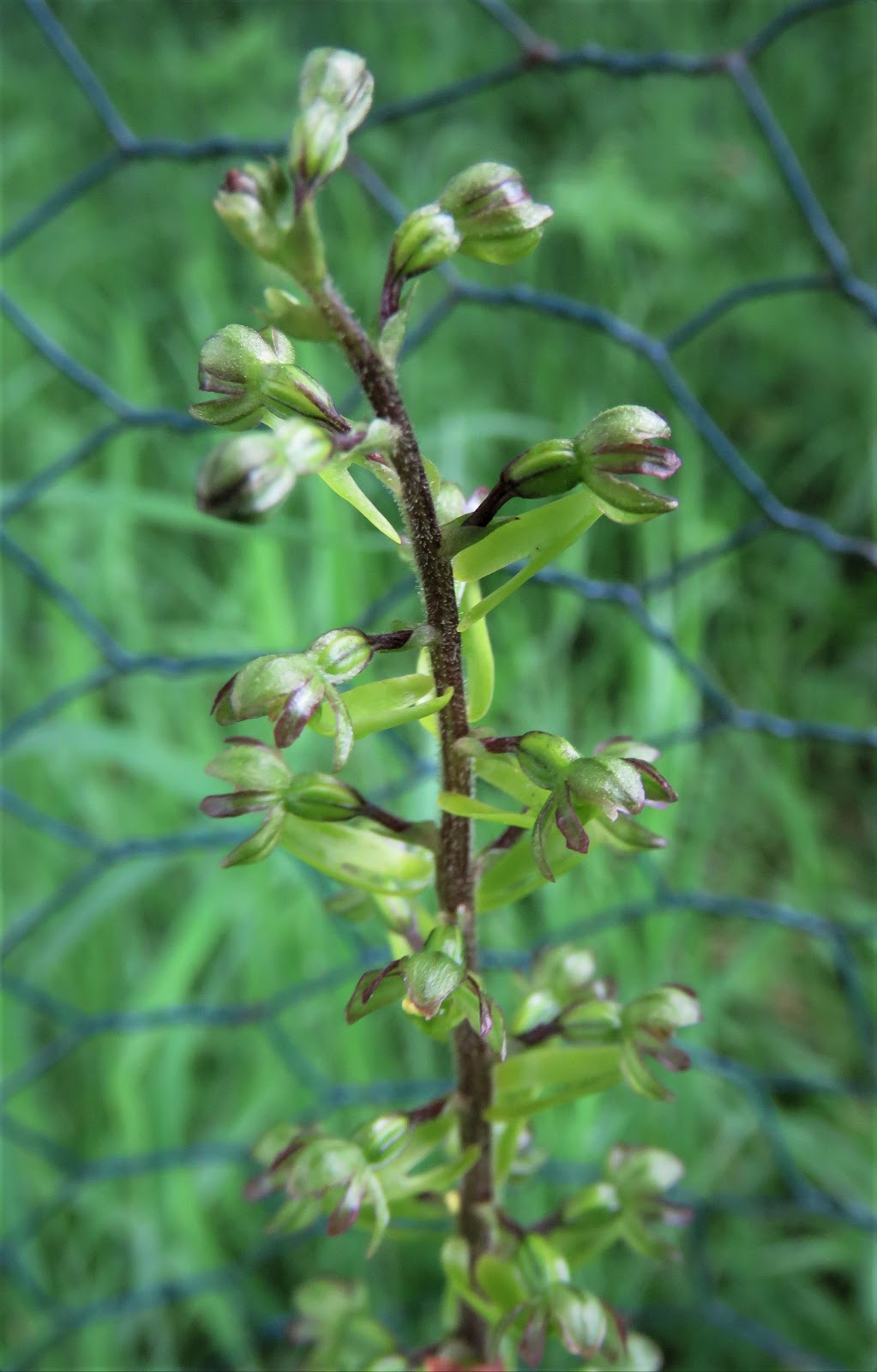
| Common Twayblade |
 |
| Bee Orchid |
 |
| Southern Marsh Orchid |

 |
| Common Spotted Orchid |

 |
| Mallard with ducklings |
 |
| Yellow Rattle |
 |
| Swallowtail |
When I returned to the Reception Hide, I was greeted by the sight of a crowd armed with cameras around the flower bed adjacent to the hide. This meant only one thing... SWALLOWTAILS!!! Finally! I didn't miss out on them after all. It was a real relief. Of course, as I live only a train ride away from Strumpshaw, I don't have very far to come to see them. For the many other people visiting today, the range of accents I've heard indicate that they've come from far and wide. Manchester, Kent, Wales, London, the list goes on and they're all here for the swallowtails. And in return, the swallowtails have given them a show for much of the morning from the flower bed and from the front of the Reception Hide. They've come all this way to see them in minutes on arriving.


Swallowtails are causing concern for many scientists more than ever in recent years. The swallowtails we have here at Strumpshaw are the British subspecies, which has a different lifestyle compared to the ones over on the European mainland. They tend to favour milk parsley to lay their eggs on, which is a rare plant found only in the Norfolk Broads. New research from the UEA (University of East Anglia) are warning us that climate change is making a big impact on these beautiful butterflies and their foodplant and both are at risk of being lost forever. In short, the swallowtails hold here is on a knife edge. It would be devastating to lose this great icon of Norfolk, which is a big part of this county's identity.
 |
| Scarce Chaser |
Away from swallowtails, there was plenty of interest in Strumpshaw's dragonflies, too. Norfolk hawkers and scarce chasers are another of the reserve's invertebrate specialties and they were also showing reasonably well as if trying not to be overshadowed by the swallowtails. In fact, dragonflies were everywhere this morning, outnumbering the large, flashy butterfly that almost everyone seemed to be more interested in. From over the surface of every body of water to high above the treeline and even perched on the pathways. You couldn't miss them and there was a brilliant selection on offer. And if the insects weren't enough, there was also a kingfisher making a few visits to the reedy islands outside Reception Hide, which caught a fish at one point.
 |
| Four-spot Chaser |
 |
| Black-tailed Skimmers mating |
 |
| Female Black-tailed Skimmer |
 |
| Red-eyed Damselfly |
 |
| Azure Damselflies |
 |
| Hornet |
 |
| Snipefly |
 |
| Kingfisher |
 |
| Grey Heron |




 Swallowtails are causing concern for many scientists more than ever in recent years. The swallowtails we have here at Strumpshaw are the British subspecies, which has a different lifestyle compared to the ones over on the European mainland. They tend to favour milk parsley to lay their eggs on, which is a rare plant found only in the Norfolk Broads. New research from the UEA (University of East Anglia) are warning us that climate change is making a big impact on these beautiful butterflies and their foodplant and both are at risk of being lost forever. In short, the swallowtails hold here is on a knife edge. It would be devastating to lose this great icon of Norfolk, which is a big part of this county's identity.


